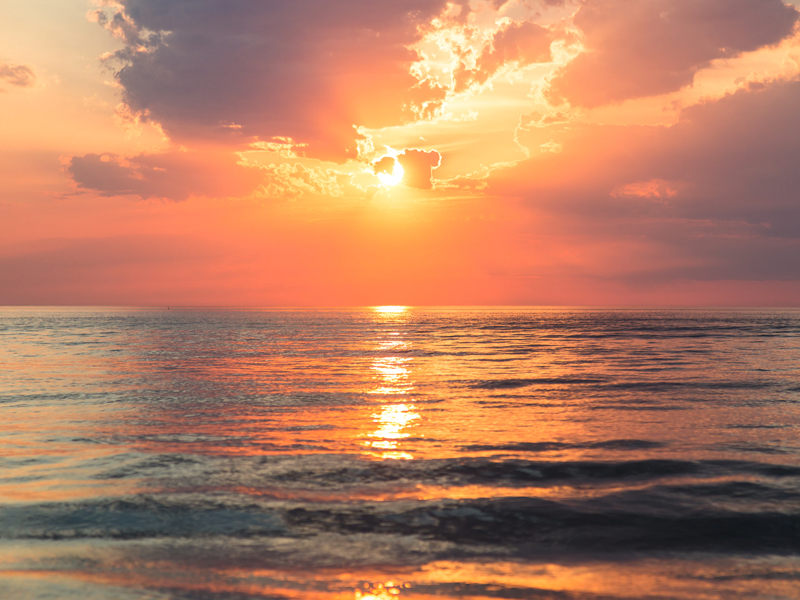
There is seasonal seaweed in Seychelles, also known as marine macroalgae, is a diverse group of marine plants that play a crucial role in the ecosystem of Seychelles – knowing the best Seychelles beaches to avoid Seaweed can add to a great holiday. Seychelles is an archipelago of 115 islands located in the western Indian Ocean, known for its stunning beaches, vibrant coral reefs, and lush tropical vegetation. The seaweed found in Seychelles is just as diverse and unique as the islands themselves, with different species appearing at different times of the year. In this article, we will explore the seasonal seaweed in Seychelles and its significance in the ecosystem.
During the first quarter of the year, Seychelles experiences its wet season, with heavy rainfall, high humidity, and strong winds. Despite these conditions, seaweed still thrives in the warm waters of Seychelles. During this time, a type of seaweed known as Gracilaria verrucosa can be seen in abundance. This species is known for its distinctive red color and its ability to tolerate rough conditions, making it a common sight during the wet season in Seychelles.
April to June
January to March
As the wet season gives way to the dry season, the waters around Seychelles become calmer and clearer, providing ideal conditions for the growth of another species of seaweed known as Padina gymnospora. This species is known for its delicate fronds and its ability to thrive in shallow waters, making it a common sight along the shores of Seychelles during the dry season. Padina gymnospora is also a popular food source for a variety of marine animals, including sea urchins, sea snails, and sea stars, making it an important part of the food chain in Seychelles.
July to September
During the peak of the dry season, another species of seaweed known as Sargassum spp. can be seen in abundance around Seychelles. This species is known for its distinctive brown color and its ability to tolerate high temperatures, making it a common sight along the shores of Seychelles during the hottest months of the year. Sargassum spp. is also an important source of food for a variety of marine animals, including sea turtles, sea birds, and sea horses, making it a crucial part of the ecosystem in Seychelles.
October to December
As the dry season comes to a close, another species of seaweed known as Ulva lactuca can be seen in abundance around Seychelles. This species is known for its delicate green fronds and its ability to tolerate low light conditions, making it a common sight along the shores of Seychelles during the transition from the dry season to the wet season. Ulva lactuca is also an important food source for a variety of marine animals, including sea urchins, sea snails, and sea stars, making it a crucial part of the food chain in Seychelles.
Conclusion
Seaweed plays a crucial role in the ecosystem of Seychelles, with different species appearing at different times of year. From the red Gracilaria verrucosa during the wet season to the delicate green Ulva lactuca during the transition from the dry season to the wet season, each species of seaweed contributes to the food chain and provides a unique and essential part of the ecosystem in Seychelles. Whether you’re a marine biologist or simply an admirer of the natural beauty of Seychelles, understanding the seasonal seaweed in this region is an important step in appreciating the delicate balance of this magnificent archipelago.